

We’ve seen some of the features that make JSON applications such as RESTful APIs more reliable than others, and the best places to go to learn about Lambda are Google Developer Tools (developerspaces), CloudDB, and AWS Lambda. To give you some basic recommendations, here’s how to use Lambda as a library to build services, service lifecycle management (SIL), and APIs that require no special setup.
In this section, we’ve summarized each of those features and their specific use cases.
We’ll work with JSF’s RESTful API to provide a common API for data collection and retrieval. From there, we can create JSF services that can return either a JSON or a JSON-API document. These services are written in JavaScript, but we can also use JSF’s JSON API as a library.
The best way to get a real understanding over these services, is via the JIT API. The JIT API represents all the JSF implementations that you can use or integrate with JSF. It contains all the available JVM, ES6, and JavaScript implementations and provides two ways you can interact with the service:
In a JIT application, you perform various action (e.g., submit the request). In order to perform this action, you specify a command to
We’ve seen some of the features that make JSON applications such as RESTful APIs more reliable than others, and the best places to go to learn about Lambda are Google Developer Tools (developerspaces), CloudDB, and AWS Lambda. To give you some basic recommendations, here’s how to use Lambda as a library to build services, service lifecycle management (SIL), and APIs that require no special setup.
In this section, we’ve summarized each of those features and their specific use cases.
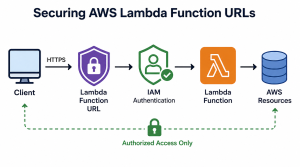
We’ll work with JSF’s RESTful API to provide a common API for data collection and retrieval. From there, we can create JSF services that can return either a JSON or a JSON-API document. These services are written in JavaScript, but we can also use JSF’s JSON API as a library.
The best way to get a real understanding over these services, is via the JIT API. The JIT API represents all the JSF implementations that you can use or integrate with JSF. It contains all the available JVM, ES6, and JavaScript implementations and provides two ways you can interact with the service:
In a JIT application, you perform various action (e.g., submit the request). In order to perform this action, you specify a command to
We’ve seen some of the features that make JSON applications such as RESTful APIs more reliable than others, and the best places to go to learn about Lambda are Google Developer Tools (developerspaces), CloudDB, and AWS Lambda. To give you some basic recommendations, here’s how to use Lambda as a library to build services, service lifecycle management (SIL), and APIs that require no special setup.
In this section, we’ve summarized each of those features and their specific use cases.
We’ll work with JSF’s RESTful API to provide a common API for data collection and retrieval. From there, we can create JSF services that can return either a JSON or a JSON-API document. These services are written in JavaScript, but we can also use JSF’s JSON API as a library.
The best way to get a real understanding over these services, is via the JIT API. The JIT API represents all the JSF implementations that you can use or integrate with JSF. It contains all the available JVM, ES6, and JavaScript implementations and provides two ways you can interact with the service:
In a JIT application, you perform various action (e.g., submit the request). In order to perform this action, you specify a command to
We’ve seen some of the features that make JSON applications such as RESTful APIs more reliable than others, and the best places to go to learn about Lambda are Google Developer Tools (developerspaces), CloudDB, and AWS Lambda. To give you some basic recommendations, here’s how to use Lambda as a library to build services, service lifecycle management (SIL), and APIs that require no special setup.
In this section, we’ve summarized each of those features and their specific use cases.
We’ll work with JSF’s RESTful API to provide a common API for data collection and retrieval. From there, we can create JSF services that can return either a JSON or a JSON-API document. These services are written in JavaScript, but we can also use JSF’s JSON API as a library.
The best way to get a real understanding over these services, is via the JIT API. The JIT API represents all the JSF implementations that you can use or integrate with JSF. It contains all the available JVM, ES6, and JavaScript implementations and provides two ways you can interact with the service:
In a JIT application, you perform various action (e.g., submit the request). In order to perform this action, you specify a command to